Why Radius Dialing Still Works When the List and Offer Are Right
Radius dialing is not dead. It just breaks down when the operator uses a weak list, a generic script, and no follow-up structure after the first pass.
Dial Radius · 4/8/2026
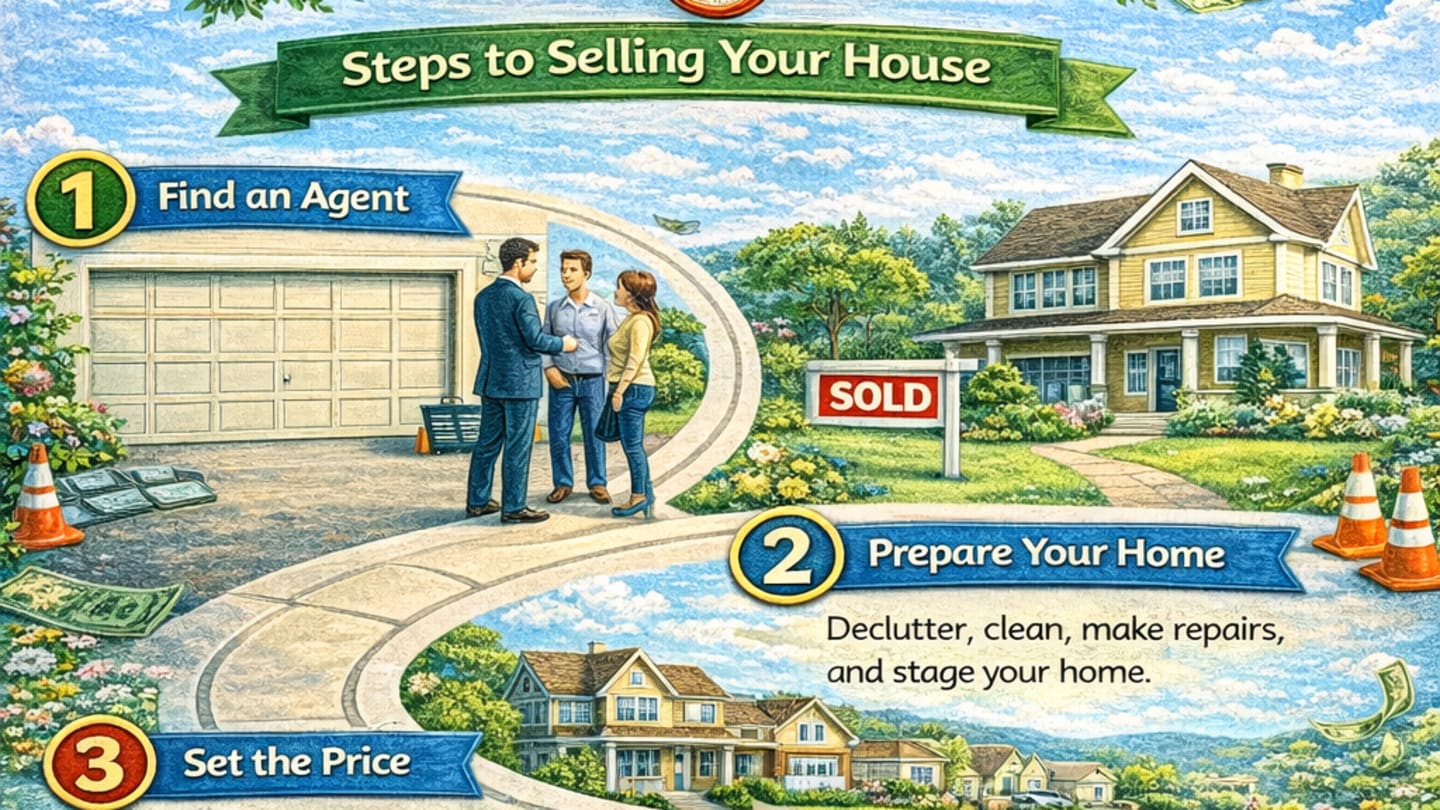
Radius dialing fails when people treat it like a volume-only game. If the list is weak, the offer is forgettable, and the follow-up dies after one call, the campaign turns into noise. That is not a channel problem. It is an execution problem.
A strong radius campaign starts with the right context. The neighborhood should have a reason to listen. A just-listed property, a recent sale, a price adjustment, or a clear community angle gives the caller something specific to lead with. That makes the conversation more relevant and less disposable.
The second layer is list quality. Every contact is not equal. The better the list coverage, phone match rate, and property context, the better the odds of reaching people who can actually talk. Even then, one pass is rarely enough. The second pass is where a lot of the value shows up because timing matters more than most operators want to admit.
The last layer is reporting discipline. You need to know what happened, which objections came up, which contacts showed intent, and where the next touches belong. Without that, even a decent call block loses most of its value after the first burst of activity.
Dial Radius is built around that structure: list, offer, multi-pass execution, and reporting. When those pieces stay aligned, radius dialing still works very well.
Want a neighborhood campaign built for your market?
Dial Radius is built for agents who want outbound coverage, cleaner reporting, and more real conversations without running the entire operation by hand.
Start a campaign conversation